
Insect Screens and Flyscreens Made to Measure in Cornwall and Devon
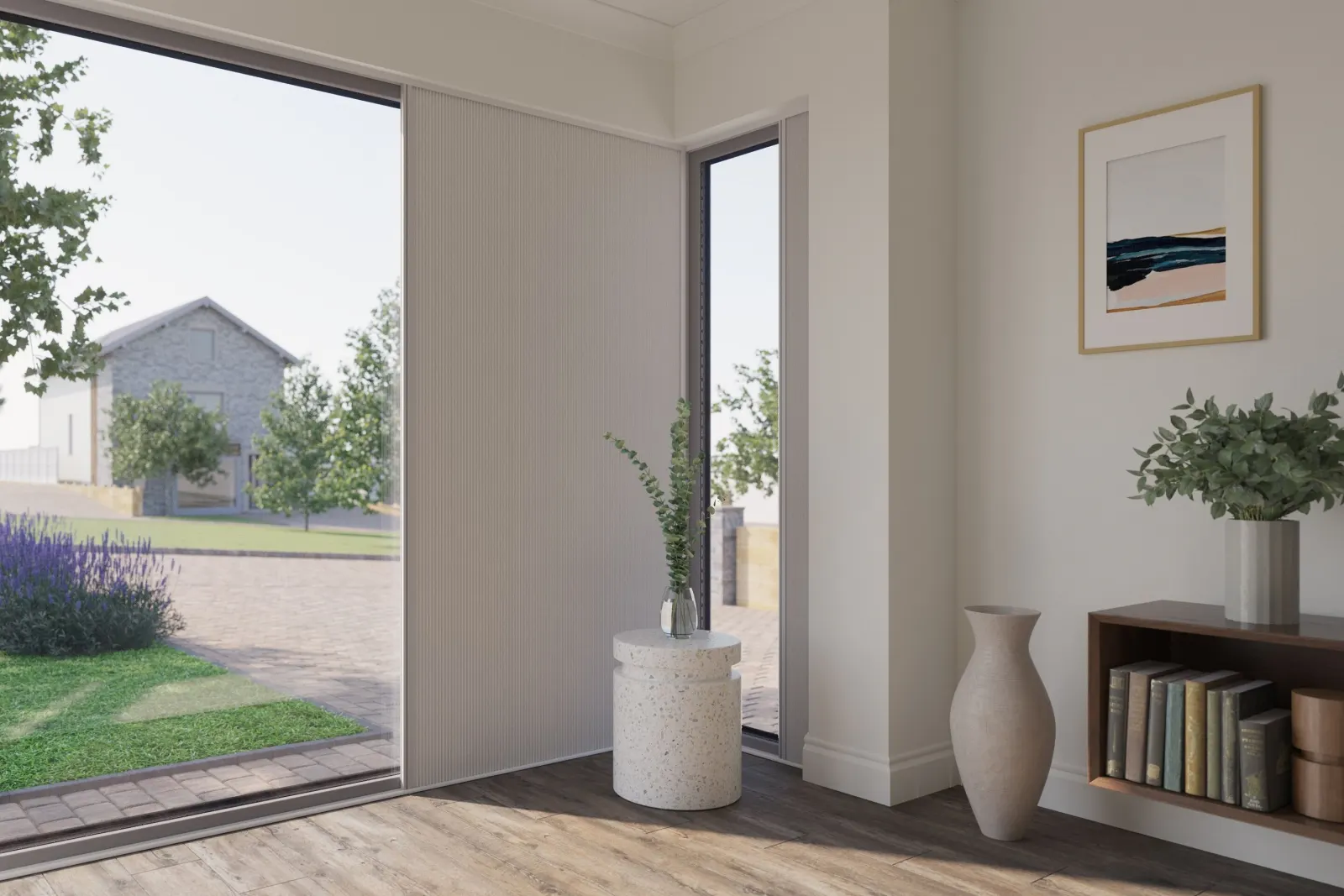
Blind Screen® 01
Our most compact frame, just 20mm thick—ideal for a slim, discreet finish.
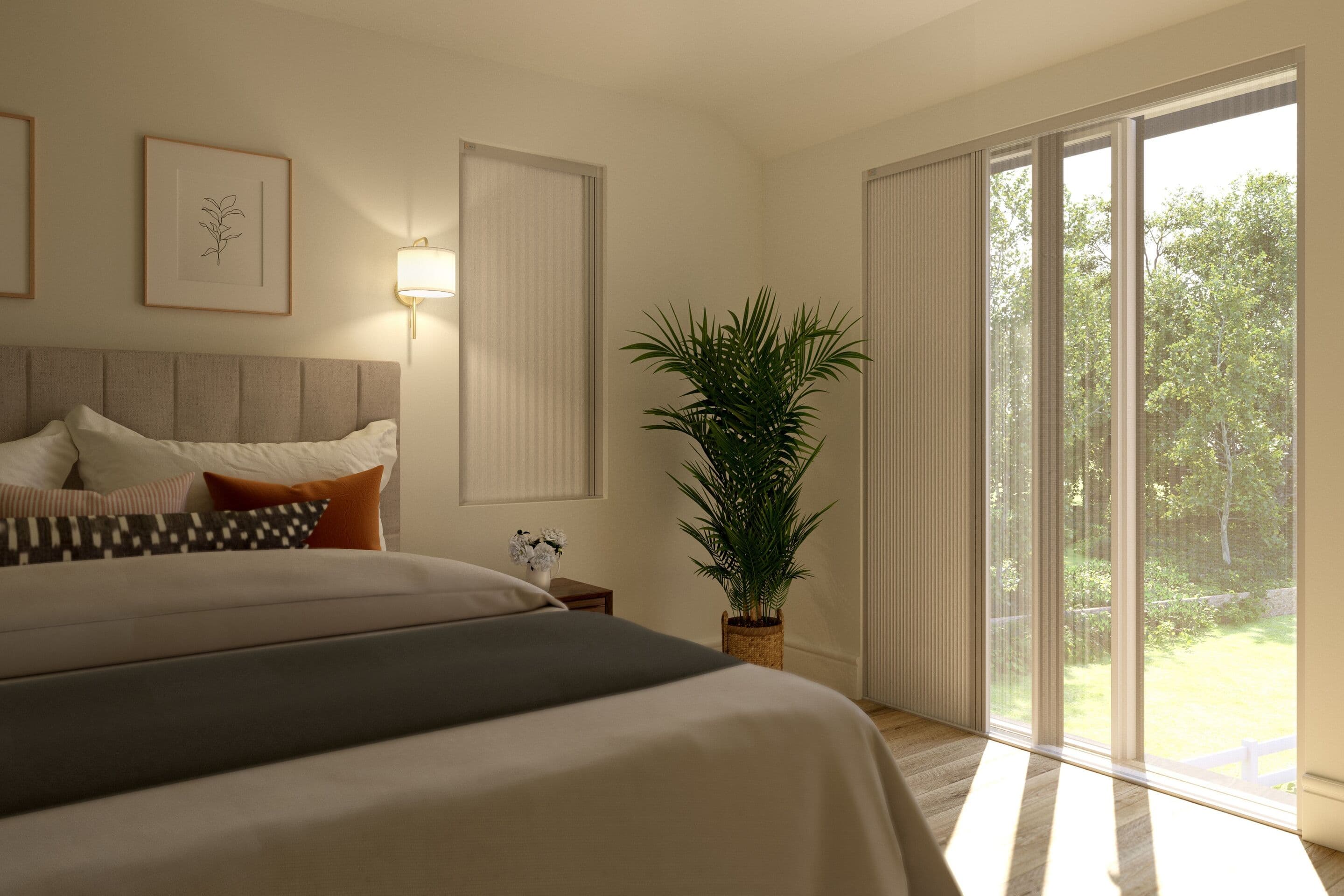
Blind Screen® 02
A versatile, slightly larger frame—perfect for bigger windows or doors.
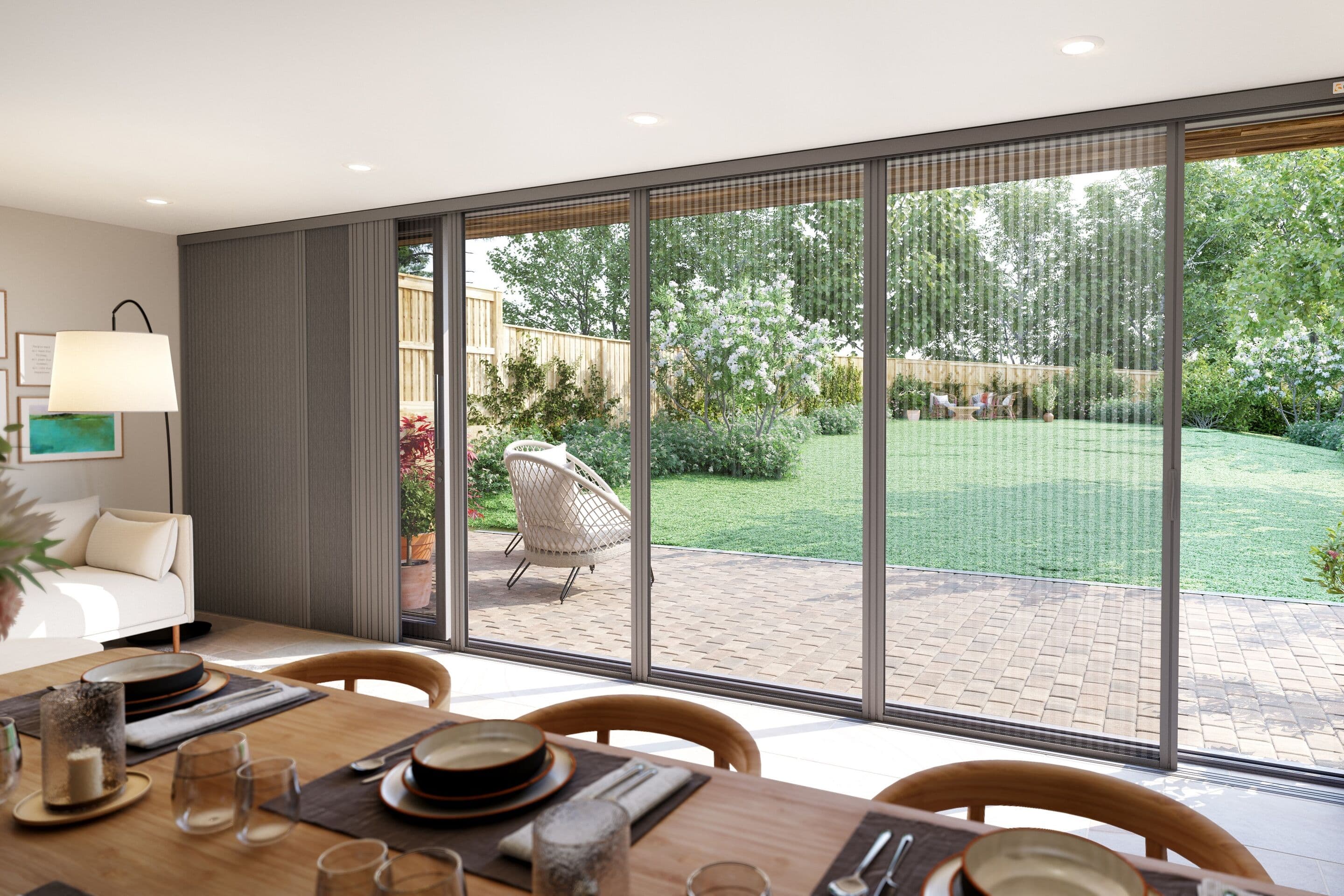
Blind Screen® 03
Our largest frame, working in panels—perfect for wide doorways and large openings.
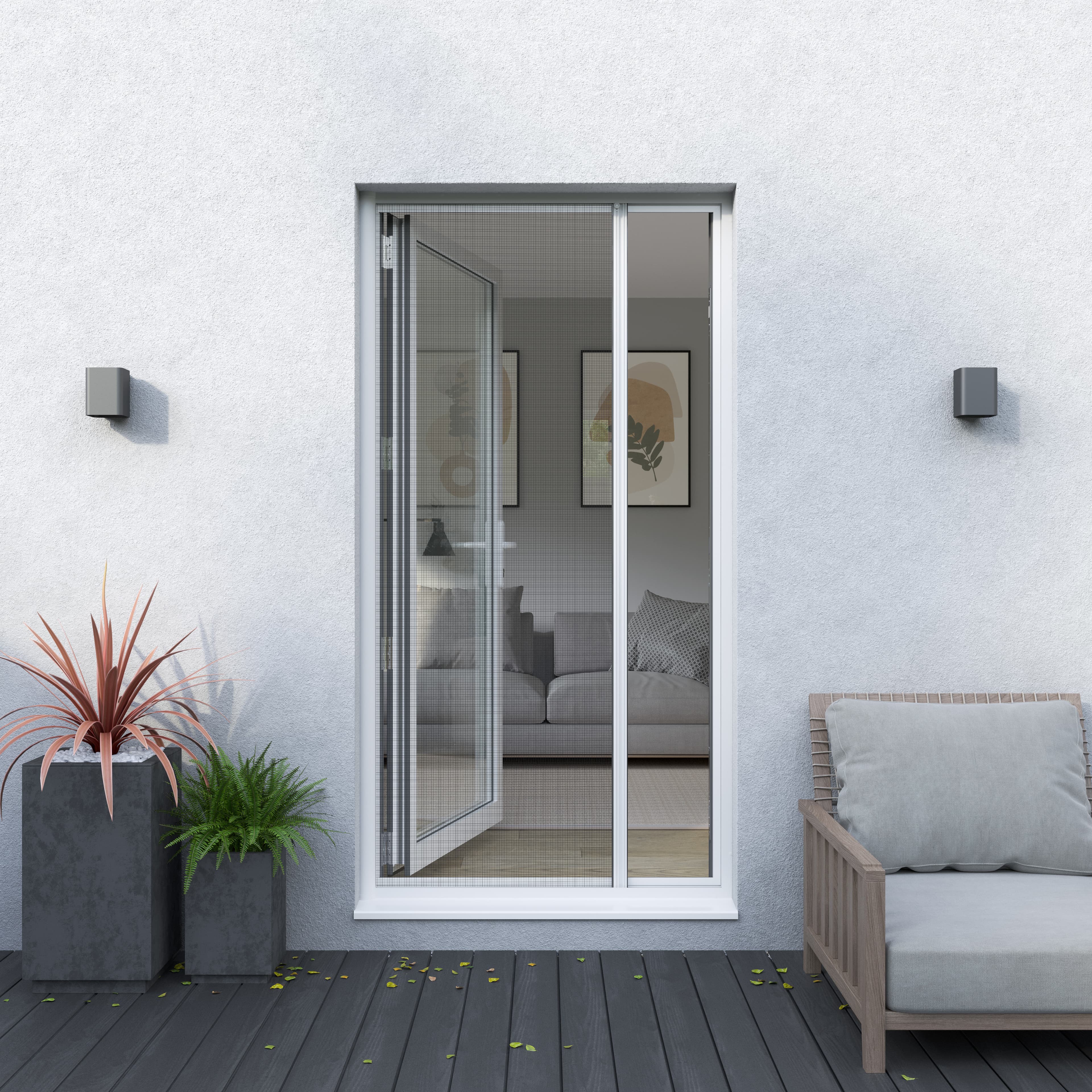
Prime Roller Insect Screen
Retractable roller screen for windows & doors—4 colours, internal or external fitting.
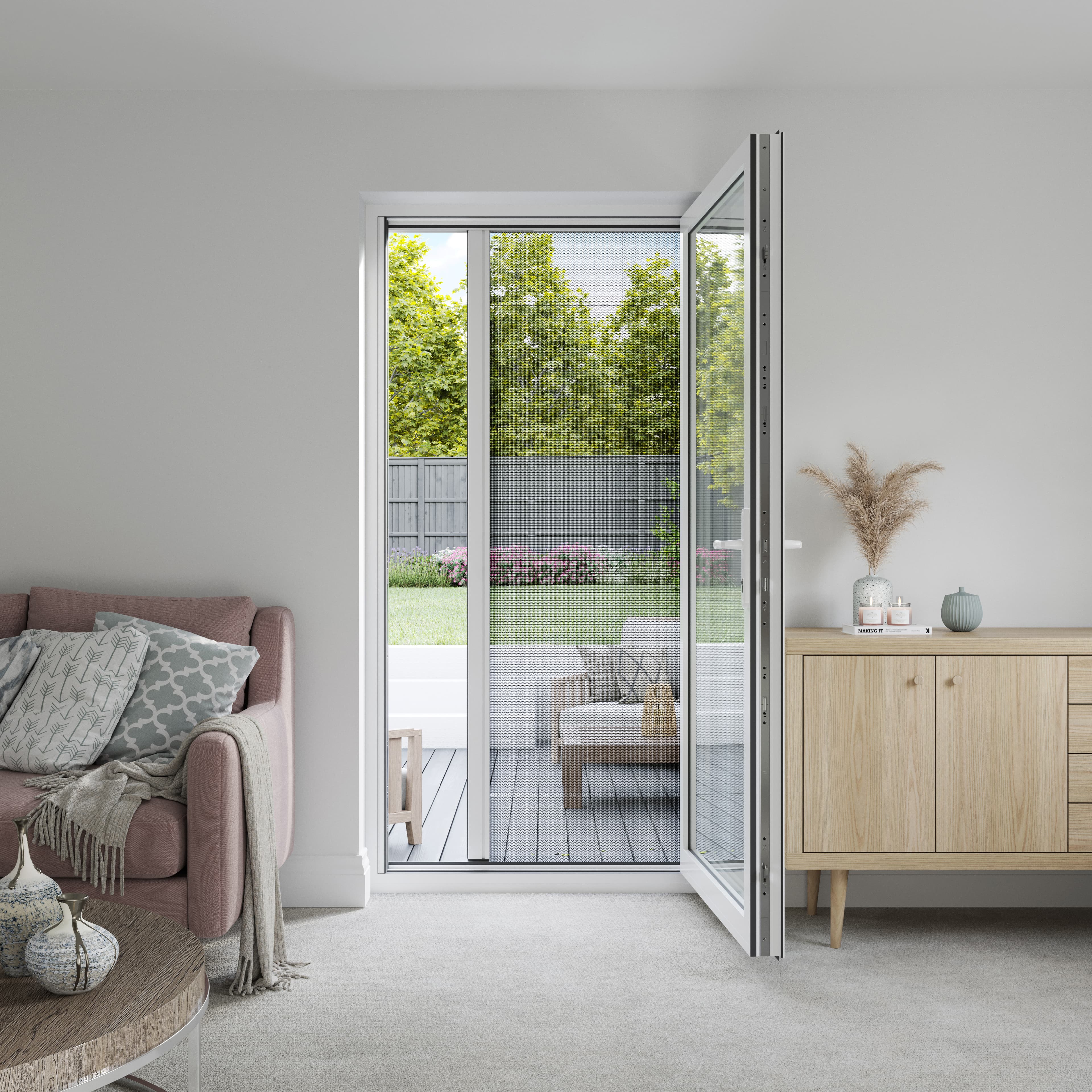
Prime Pleated Insect Screen
Retractable pleated screen for doors, sliding doors & windows—full or 3-sided frame.
choosing an insect screen
An insect screen lets you leave a window or door open on a warm evening without letting in flies, wasps or mosquitoes. We fit two kinds. Prime roller and pleated screens are dedicated fly screens that retract out of the way when you don't need them. Blind Screen is a UK-made system that puts insect mesh and blind fabric in the same slim frame, so one fitting does both jobs.
Roller or pleated
A roller screen works like a roller blind. You pull the mesh across or down, and it winds back into a slim cassette. It is the tidiest choice for windows, and the Prime roller is made for windows up to 1600mm wide and doors up to 1400mm, with an optional speed reducer to slow the mesh as it rolls back.
A pleated screen folds to the side like a concertina and stays wherever you leave it. The Prime pleated goes up to 1900mm wide, which suits French and patio doors. On a doorway, choose the three-sided frame. It has no bottom rail, so there is nothing to trip over or bump a pushchair across.
Blind Screen: a blind and a fly screen in one
Blind Screen is made in the UK by a Derbyshire company. Where a normal fly screen is only mesh, a Blind Screen frame can carry a fly mesh, a honeycomb fabric that dims or blacks out the room, or a sheer. The dual versions carry two at once, so on a summer night you can have the window open behind the mesh and the blackout drawn in front of it. It works with a handle rather than cords.
The three models are sized for different openings. Blind Screen 01 has a 20mm frame for windows and doors up to 1.5m wide. The 02 goes up to 4m, which suits large windows and patio doors. The 03 is for doors only. It works in sliding panels up to 6m, which makes it the one for bifolds.
Inside or outside the window
The screen has to sit on the side of the window that doesn't open. Most British casements open outwards, so the screen goes inside, where the sash can swing clear of it. Inward-opening tilt-and-turn windows usually take it outside. Prime screens can go either way. They fit inside the reveal as standard, or face-fix onto the frame where the reveal is too shallow or out of square, which is common in older Cornish cottages. Nothing comes down for the winter. The screen stays rolled or folded away until the first warm evening, which also saves holiday-let changeovers from wrestling with clip-in frames.
common questions
Will a fly screen make my room darker or stop the breeze?
Only slightly. Modern mesh is fine and dark, which is easier to see through than a pale mesh, and it lets plenty of air through. You will notice it most when the sun is directly on the window. Finer pollen meshes cut airflow a little more, which is the price of stopping smaller particles.
Should I choose a roller or a pleated screen for a patio door?
Pleated, usually. It spans a wider opening, stays at whatever width you leave it, and with the three-sided frame there is no bottom rail to step over. Rollers are neater on windows and narrower doors. For a very wide set of bifolds, look at Blind Screen 03, which works in sliding panels.
Can I have a blackout blind and a fly screen on the same window?
Yes, that is what the dual Blind Screen is for. The mesh and the blind run in one frame, so you can sleep with the window open and the room dark. It also helps where two separate products would crowd a shallow reveal.
Do insect screens help with hay fever?
A standard insect mesh is woven to stop insects, not pollen. Dedicated pollen meshes have a finer weave that holds back much of the airborne pollen, at the cost of a little airflow. We fit pollen mesh for hay fever sufferers, and a tougher pet mesh that stands up to claws, so tell us at the survey which matters more.